The world’s largest dedicated honey bee health company
Vita Bee Health is your trusted partner in honey bee health and productivity. Dedicated to innovative research and development, we support honey bee health worldwide, with distributors in over 60 countries. We care for your bees.
-

What threatens your bees?
Honey bee populations face mounting threats. Pests like varroa mites actively weaken bees and spread harmful viruses, while bacterial diseases such as foulbrood devastate entire colonies. Habitat loss, pesticide use, and climate change worsen the crisis, demanding immediate and sustainable solutions. Vita Bee Health provides innovative, sustainable treatments and tools to tackle these issues. Our website offers beekeepers valuable resources to identify common honey bee diseases and pests, alongside effective prevention and treatment strategies. By equipping beekeepers with knowledge and practical solutions, we empower you to protect and nurture healthy, resilient colonies.
-

Let’s find a solution…
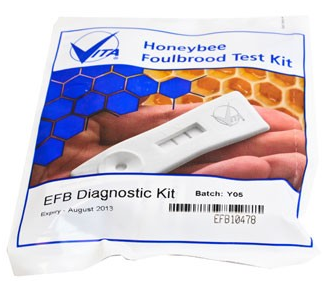
At Vita Bee Health, we protect honey bees with innovative, science-based solutions. Our products address major threats, offering varroa mite treatments like Apiguard, Apistan, VarroxSan and the chemical-free Bee Gym, which encourages natural grooming. We encourage regular monitoring of mite levels with VarroCheck offering leak-proof accuracy. Diagnostic kits for AFB and EFB enable early foulbrood detection, while nutritional supplements including VitaFeed Power, VitaFeed Nutri, VitaFeed Patty and VitaFeed Gold strengthen colonies against environmental and biological stressors. We also offer wax moth control, traps for small hive beetles, protection against robbing, and an attractant for honey bee swarms. Backed by leading research, we continue to pioneer sustainable solutions for thriving bee populations.
-

Where to buy…
Accessing Vita’s products for honey bee health is easy thanks to our global network of trusted distributors and retailers. Our products are available in over 60 countries, ensuring that beekeepers everywhere have access to high quality solutions to their most serious challenges. Please click here to view the nearest retailer or wholesalers of Vita’s products for honey bee health. Resellers can be filtered by location and the specific products they sell. If your country is not represented, please contact us for more information or to submit an application to become a distributor.
Guide to Healthy Bee Keeping
Download a free guide to healthy beekeeping from Vita Bee Health. With information about the key diseases and pests affecting honeybee colonies and how these issues can be managed or avoided, this is a fantastic resource that can be downloaded for quick reference.
-
New honey bee research to investigate behavioural resistance of varroa mites
Behavioural resistance and the varroa mite – new international research
-
Washboarding
Honeybee washboarding – a curious phenomenon
-
Honeybee drone ballet
The beauty and grace of male honeybees in slow motion
-
A right royal panic
When a queen goes missing
-
Vita foulbrood diagnostic kits shortage
Why foulbrood kits are in short supply